

The “Wasted Vote” Explainer
Because New Zealand's electoral system is MMP (Mixed Member Proportional) system, the concept of the "wasted vote" always comes up in discussion. Can votes be "wasted"?

The Allocation Of Seats In Parliament After An Election
Voters have TWO votes in the general election. A "party vote" (parties represented in Parliament) and an "electorate vote" (the local MP to represent the area).
The share of seats a party wins in the 120-seat Parliament is based on its share of the party vote (over 5%) OR if it wins an electorate seat (despite its party vote being < 5%).*
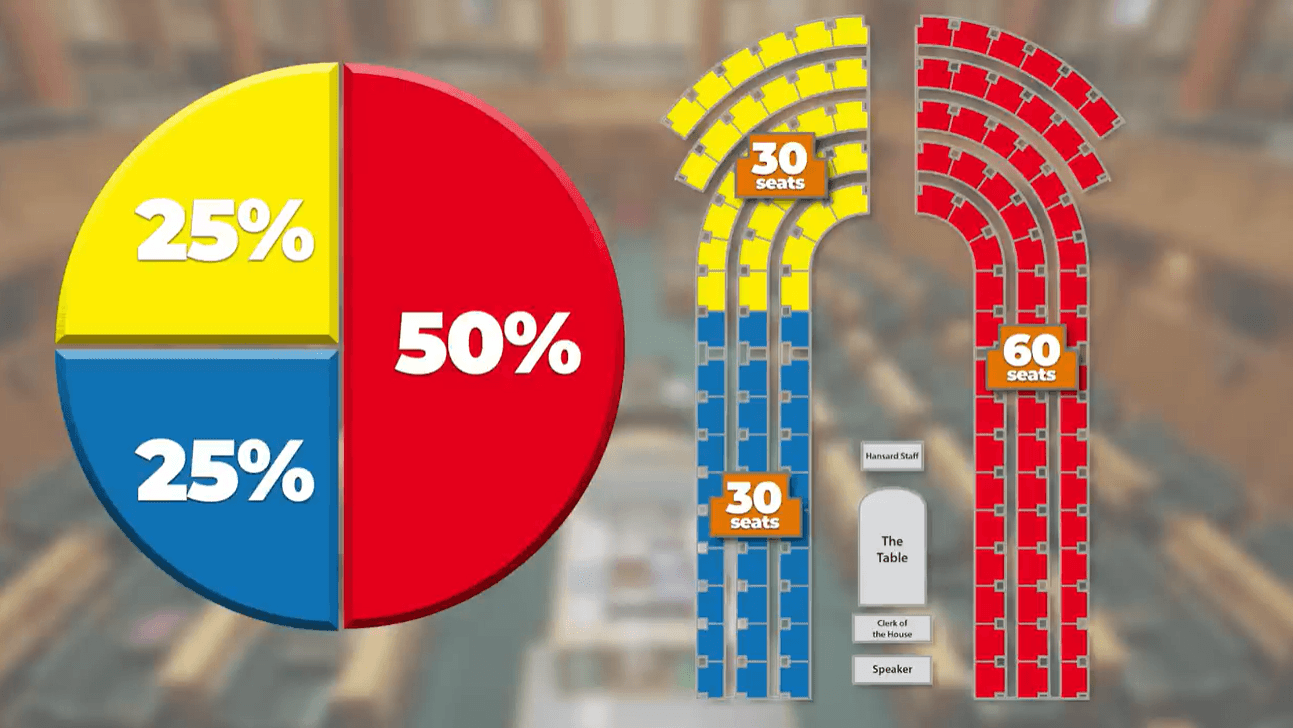
Here's a basic example. If one party wins 50% of the party vote, they are awarded 50% of the seats in Parliament - 60 seats out of 120 seats. If the other two parties in our example won 25% each, they would be awarded 25% of the 120 Parliamentary seats available – 30 each.
The seats allocated to each party based on the party vote are then filled by each party firstly with MPs who have won their local electorate seat (electorate vote), and then "topped up" with List MPs (chosen by the political parties) to get to the exact number of their share of the total vote.
What Is The "Wasted Vote" – And What Happens To It?
The term "wasted vote" is used to describe a party vote for a political party at a general election which is not reflected in the make-up of the new Parliament – either because that political party did not win at least 5% of the overall party vote OR they didn't win an electorate seat. [There are 72 electorate seats around the country (65 General Electorates + 7 Māori Electorates)]
For example, the wasted vote was 1.5% in the 2005 general election, 4.6% in the 2017 election, and close to 8% in the 2020 election. In the last general election in 2023, it was 5.6%.
These are votes for political parties that didn't make the 5% threshold OR the party didn't win an electorate seat to qualify for being in Parliament.
An Actual Example
Here's a simple example, using the actual vote count in the 2020 general election. (Please note – the allocation of seats is about the same as its share of the party vote.)
Labour received 50% of the total party vote = 60 seats in a 120-seat parliament.
National received 25.6% = 31 seats.
Green Party received 7.9% = 9 seats.
ACT received 7.6% = 9 seats.
NZ First received 2.6% = 3 seats.
New Conservative received 1.5% which is about 2 seats.
Te Pāti Māori received 1.2% of the vote – BUT they won an electorate seat – Waiariki – so they qualified for Parliament because of that electorate victory, and are allocated 1.2% of the seats in Parliament.
Unfortunately for NZ First, New Conservative, The Opportunity Party, Advance NZ, Legalise Cannabis party, ONE Party and Vision NZ, they didn't meet the required 5% OR win an electorate seat.
The votes for these parties are removed – or "wasted". They are taken out of the make-up of the Parliament. And all their votes go with them.
In 2020, approximately 8% of all votes went to parties that didn't make it into Parliament. That's almost 11 seats worth!
Who Gets Those Seats?
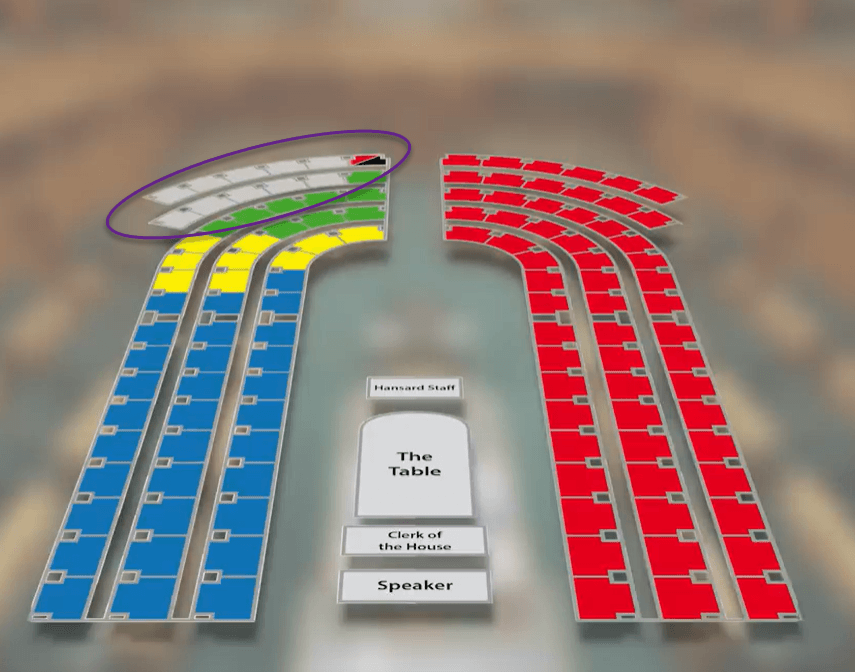
Remember that Labour got 50% of the total vote equalling 60 seats in a 120-seat parliament. But because approximately 8% of votes were removed – or "wasted", Labour gets a bonus 50% of the "wasted vote" seats. About half of those 11 seats.
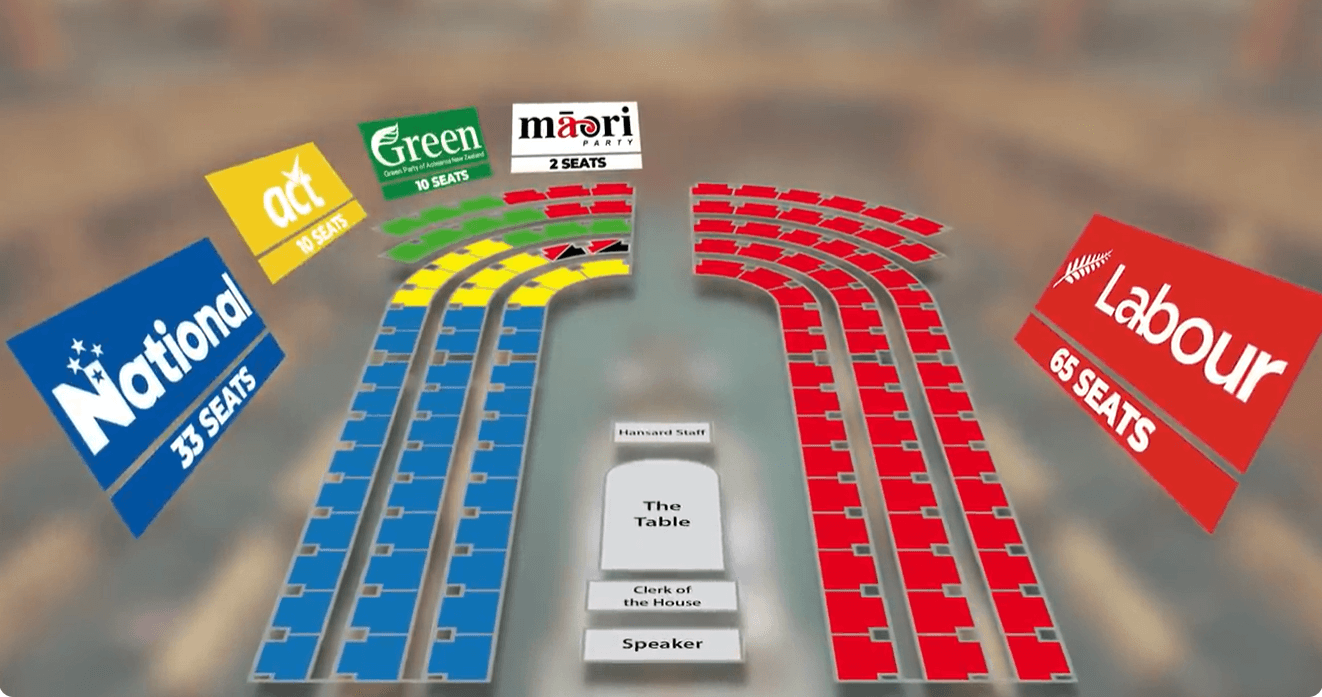
So Labour received a bonus five seats – an increase to 65 seats. This means their seat allocation increased to 54% - despite only receiving 50% of the party vote in the election.
But that's the effect of votes being removed – or "wasted".
National received an extra two seats. Greens, ACT and Te Pāti Māori all received additional seats.
You can see what Parliament looked like after the "wasted" votes were removed. The parties that didn't make it into Parliament despite receiving a total of approximately 8% of the votes are nowhere to be seen.
Wasted votes were not "given" to other parties strictly speaking, but the effect is that those "wasted" votes help bump up the number of seats for parties that do get into Parliament.
Is It Really "Wasted"?
Some argue that it is not a wasted vote, as it still shows support for that political party, or a protest vote against other parties.
You may (rightly) argue that it's not wasted if your goal is to send a message to both the party and to the public in general that you support the principles and policies of that party – even if they don't get in this time.